


Yes, it is possible to have lipoedema even if you are slim. This is one of the reasons the condition can be confusing and, for some people, emotionally difficult to discuss. You may have a smaller waist, a slim upper body or a generally healthy body weight, but still notice that your legs, hips, thighs or arms seem out of proportion.
Many people search terms such as lipedema skinny because they do not feel they match the common idea of someone with a fat-distribution condition. This does not necessarily mean you have lipoedema, but it does mean your symptoms are worth taking seriously if they include heaviness, tenderness, easy bruising or areas that do not change much with diet and exercise.
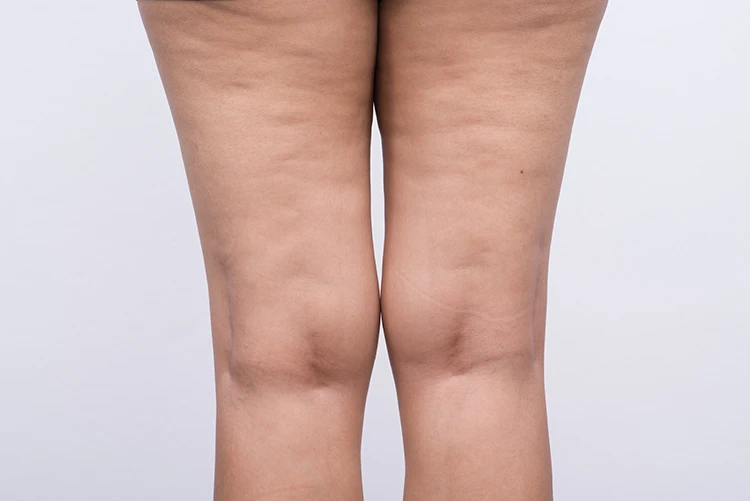
Lipoedema is described by the NHS as a long-term condition that can cause disproportionate enlargement of the bottom, thighs, lower legs and sometimes arms, with the feet usually not affected. NICE also describes it as distinct from obesity and lymphoedema.
If your symptoms feel familiar, a clinical consultation can help you understand whether you may need an assessment for possible lipoedema.
Can You Be Slim and Still Have Lipoedema?
Being slim does not rule out lipoedema. Some people with lipoedema have a noticeably smaller upper body compared with their lower body. They may wear one clothing size on top and another on the bottom, or feel that their legs look fuller than expected for their frame.
This can be especially difficult when others dismiss the concern as “normal curves” or “just body shape”. Natural body variation is common, but lipoedema is not simply the same as general weight gain. It is often associated with symptoms such as tenderness, aching, heaviness and easy bruising.
For some patients, weight loss may reduce fat in areas not affected by lipoedema while the affected areas remain disproportionately full. This can make the contrast between the upper and lower body more noticeable and may lead to frustration or self-consciousness.
The safest next step is not to self-diagnose, but to seek an assessment from a suitably qualified clinician.
Why Lipoedema Can Be Missed in Slim People
Lipoedema can be overlooked in slim people because the early signs may be subtle. A person may appear fit or healthy overall, yet still have discomfort, heaviness or disproportion in the legs.
In the early stages lipedema signs may be mistaken for natural body shape, stubborn fat, poor circulation or general fluid retention. Some people only begin to question it when they notice repeated patterns: legs that feel painful after standing, thighs or calves that bruise easily, or a lower body that does not respond as expected to healthy lifestyle changes.
It can also be missed because lipoedema is often discussed in relation to larger body size. In reality, body weight alone does not confirm or exclude the condition. What matters most is the overall pattern, symptoms, medical history and clinical assessment.
What Can Mild Lipoedema Look Like?
Mild lipedema may not look dramatic. The legs can appear fuller than expected rather than obviously enlarged. A person may still be slim overall but notice that fat gathers around the thighs, knees, calves or ankles in a symmetrical way.
Common features that can be associated with mild or early lipoedema include:
- Fuller thighs or lower legs compared with the waist or upper body
- Heaviness or aching, especially later in the day
- Tenderness when pressure is applied
- Easy bruising in the affected areas
- Fat around the knees or inner thighs
- Feet that appear less affected than the legs
- Little change in leg shape despite diet and exercise
These signs do not automatically mean you have lipoedema. They can overlap with other conditions, which is why a proper assessment is important.
Early Lipoedema Legs: Signs to Look For
Early lipedema legs can be difficult to recognise because the changes may be gradual. The legs may look symmetrical, but out of proportion with the rest of the body. The skin and tissue may also feel different from unaffected areas.
Disproportion Between Upper and Lower Body
A common concern is that the upper body looks slim while the hips, thighs, knees or calves appear heavier. Some people describe always needing a larger trouser size, even when their waist is smaller.
Tenderness or Pain in the Legs
Lipoedema is often linked with discomfort rather than appearance alone. The legs may feel sore, sensitive or heavy, especially after standing, walking or pressure.
Easy Bruising
Some people with possible lipoedema notice that they bruise more easily in affected areas, sometimes without remembering a clear injury. NHS guidance includes easy bruising among symptoms that may occur with lipoedema.
Feet Usually Look Different From the Legs
In classic lipoedema, the feet are usually not affected in the same way as the legs. This may create a visible difference around the ankle area. However, other conditions can also cause leg or foot swelling, so this sign should be interpreted clinically, not in isolation.
To understand this pattern in more detail, you can read our guide to the early signs of lipoedema in the legs, including how lipoedema may affect the thighs, knees, calves and ankle area.
Lipoedema vs Normal Body Shape: What Is the Difference?
Many people naturally carry more weight around their hips, thighs or legs. This can be completely normal and may run in families.
Possible lipoedema is more likely to be considered when body shape concerns appear alongside symptoms such as:
- Pain, aching or tenderness
- Heavy-feeling limbs
- Easy bruising
- Symmetrical enlargement of the legs or arms
- Feet usually being less affected
- Fat that feels resistant to diet and exercise
- Symptoms that seem to worsen over time
A clinical assessment helps distinguish lipoedema from normal fat distribution, lymphoedema, oedema, venous problems or other medical causes.

Can Exercise or Weight Loss Remove Lipoedema Fat?
Healthy eating and regular movement remain valuable for general health, mobility, strength and confidence. They may also help reduce non-lipoedema fat and support overall wellbeing.
However, lipoedema-affected areas may not reduce in the same proportion as the rest of the body. This can be upsetting for people who feel they are doing everything “right” but still cannot change the shape or heaviness of their legs.
This does not reflect a lack of effort. Lipoedema is a recognised condition with a different pattern from general weight gain. A balanced approach usually focuses on symptom management, maintaining general health and discussing treatment options where appropriate.
What Else Could Cause Larger or Swollen Legs?
Not every case of larger, painful or swollen legs is lipoedema. Other possible causes can include general fat distribution, lymphoedema, oedema, venous problems, hormonal changes, medication-related swelling, injury or other medical conditions.
You should seek urgent medical advice if swelling is sudden, affects one leg only, is red, hot or very painful, or is linked with chest pain, breathlessness or feeling unwell. These symptoms need prompt medical attention and should not be treated as cosmetic concerns.
When Should You Seek an Assessment for Possible Lipoedema?
If you are slim but your legs feel painful, heavy, tender, swollen or out of proportion, it may be worth arranging an assessment for possible lipoedema.
A consultation can help review your symptoms, the areas affected, when changes started, whether the pattern is symmetrical and how the concerns affect your day-to-day life. It can also help identify whether conservative management, further investigation or surgical discussion may be appropriate.
This is not about pressuring anyone towards treatment. It is about helping you understand what may be happening and what choices are available.
How Is Lipoedema Assessed?
Lipoedema assessment usually begins with a detailed discussion about your symptoms and history. Your clinician may ask when you first noticed changes, whether symptoms are painful, whether you bruise easily and whether your feet are affected.
They may also assess the shape, texture and distribution of tissue in the affected areas. Your general health, weight history, mobility, previous treatments and emotional wellbeing may also be considered.
In some cases, other causes of swelling or discomfort need to be ruled out. This is why it is important not to rely on photographs, online checklists or body shape alone.
A proper assessment can help distinguish lipoedema from other causes of swelling or discomfort. Learn more in our guide to lipoedema symptoms and diagnosis.
Can Early-Stage Lipoedema Get Worse?
Lipoedema is often described as a long-term condition, and some people notice that symptoms change or progress over time. Others may remain relatively stable for long periods.
The early stages of lipedema experience can vary. For some patients, early recognition helps them access support, understand their symptoms and make informed choices sooner. For others, monitoring and conservative management may be the most suitable starting point.
What matters most is receiving advice based on your own symptoms and circumstances.
Treatment Options If You Are Slim With Lipoedema
Treatment depends on symptoms, severity, overall health and how the condition affects daily life. Being slim does not automatically mean treatment is or is not suitable.
Conservative Management
Conservative management may include compression garments, gentle exercise, skin care, maintaining general health, manual lymphatic drainage where appropriate and support for pain or emotional wellbeing.
These approaches may help some people manage symptoms, although they may not remove lipoedema fat.
Lipoedema Liposuction
For suitable patients, lipoedema liposuction may be discussed where symptoms are more severe or persistent. NICE notes that liposuction for chronic lipoedema aims to reduce limb bulk, reduce pain and improve mobility and functioning, but its guidance also highlights that evidence around safety is inadequate and raises concerns about possible serious complications.

This means careful consultation, risk discussion and individual suitability assessment are essential. Surgery is not suitable for everyone and should not be viewed as a simple cosmetic decision.
Lipoedema Legs: Why the Pattern Matters
The legs are commonly affected in lipoedema, often including the hips, thighs, knees, calves or ankles. The pattern is usually symmetrical, and the feet are often less affected.
Understanding this pattern can help clinicians consider whether symptoms may be linked to lipoedema or whether another explanation is more likely. It can also help patients describe their concerns more clearly during consultation.
To explore this pattern further, read our guide to lipoedema legs, including how symptoms may affect the thighs, knees, calves and ankles.
Key Takeaway: Being Slim Does Not Rule Out Lipoedema
A slim body shape does not exclude lipoedema. Some people with lipoedema have a small waist or slim upper body but still experience disproportionate legs, tenderness, heaviness or easy bruising.
If this sounds familiar, try not to blame yourself or assume it is simply a weight issue. The most useful next step is a calm, informed clinical discussion.
London Private Hospital can help you explore whether your symptoms may be linked to lipoedema and whether any management or treatment options may be suitable.
FAQs
Can you have lipoedema if you are skinny?
Yes, it is possible to have lipoedema even if you are slim. Some people have a smaller upper body but still notice disproportionate fat, heaviness, tenderness or easy bruising in the legs or arms. This does not confirm lipoedema, but it may be worth seeking clinical advice if symptoms are persistent or affecting your confidence and comfort.
What does mild lipoedema look like?
Mild lipedema may appear as subtle disproportion rather than obvious enlargement. The thighs, knees or lower legs may look fuller compared with the waist or upper body. Some people also notice tenderness, heaviness or easy bruising. Because these signs can overlap with other causes, a clinical assessment is needed before making any conclusions.
What do early lipoedema legs look like?
Early lipedema legs may look symmetrical but out of proportion with the rest of the body. Fullness can appear around the thighs, inner knees, calves or ankles, while the feet may remain less affected. The legs may also feel heavy, sensitive or painful. Early signs can be subtle, so professional assessment is helpful.
Can lipoedema happen in slim legs?
Yes. Lipoedema can be present even when someone appears slim overall. In early or mild cases, the legs may not look dramatically enlarged but may still feel tender, heavy or resistant to change. A clinician will consider symptoms, distribution, medical history and other possible causes before advising on next steps.
Is lipoedema the same as being overweight?
No. Lipoedema is not the same as general weight gain. It is associated with abnormal fat distribution and symptoms such as pain, heaviness and easy bruising. A person can be overweight without lipoedema, and a slim person can still have possible lipoedema symptoms. Assessment helps clarify the difference.
Can losing weight get rid of lipoedema?
Weight loss may improve general health and reduce fat in areas not affected by lipoedema, but lipoedema-affected areas may not reduce in the same way. Exercise and healthy eating can still support mobility, strength and wellbeing. If symptoms continue despite lifestyle efforts, a clinical assessment may be useful.
When should I seek help for possible lipoedema?
Consider seeking advice if your legs or arms feel painful, heavy, tender, bruise easily or seem out of proportion with the rest of your body. You should seek urgent medical advice if swelling is sudden, one-sided, red, hot or linked with chest pain or breathlessness. For ongoing concerns, a planned consultation can help you understand the cause.
 Share
Share Share
Share Share
Share Share
Share Share
Share Share
Share


