


Many men feel self-conscious about having a fuller or softer-looking chest. For some, it may look like stubborn chest fat. For others, it may be gynecomastia, also known in the UK as gynaecomastia. Because both concerns can appear similar, it is common to wonder whether you are dealing with gynecomastia or fat.
Understanding the difference matters because the right treatment depends on what is causing the chest fullness. In some men, the issue is mainly fatty tissue. In others, it may be glandular breast tissue. Some men have a combination of both.
At London Private Hospital in London, men can arrange a private and discreet consultation to understand what may be contributing to their chest shape and whether treatment may be suitable.
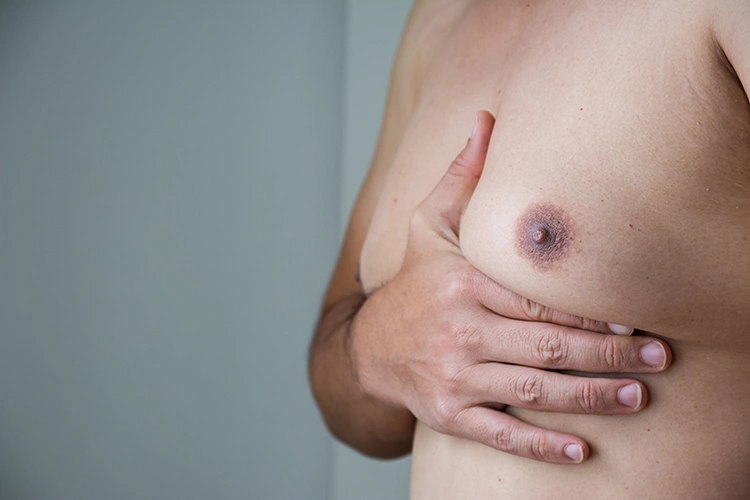
What Is Gynecomastia?
Gynecomastia is the enlargement of male breast tissue. It can affect one side or both sides of the chest and may sometimes make the nipple area look swollen or puffy. Gynecomastia is not the same as ordinary chest fat. It usually involves glandular tissue behind the nipple area, which may feel firmer than fat.
For some men, this can develop during puberty. For others, it may appear later in life due to hormonal changes, weight changes, medication, or other factors.

Common signs of gynecomastia
You may be more likely to have gynecomastia if you notice:
- A firm or rubbery area behind the nipple
- Puffy nipples or a rounded nipple area
- Chest fullness that does not improve much with weight loss
- One side of the chest looking larger than the other
- Tenderness or sensitivity in the breast or nipple area
Not every man will experience pain or tenderness. For many men, the main concern is appearance, confidence, or feeling uncomfortable taking their top off.
What Is Chest Fat?
Chest fat is different from gynecomastia because it is mainly caused by fatty tissue rather than glandular breast tissue. It may be more common in men who carry extra weight around the upper body, abdomen, flanks, or chest.
Chest fat usually feels softer and more spread out than glandular tissue. It may reduce with weight loss, improved nutrition, and regular exercise, although some men still find the chest area remains stubborn even after losing weight.
Common signs of chest fat
You may be more likely to have chest fat if:
- The chest feels soft rather than firm
- Fat is also present around the stomach, sides, or upper body
- Chest size reduces when you lose weight
- There is no distinct firm tissue behind the nipple
- The fullness is spread across the chest rather than focused around the nipple
However, it is not always easy to tell by appearance alone. Some men have both fatty tissue and glandular tissue, which is why a proper assessment is important.
Gynecomastia vs Fat: What Is the Main Difference?
The main difference between gynecomastia vs fat is the type of tissue involved. Gynecomastia usually refers to enlarged male breast gland tissue.
| Feature | Gynecomastia | Chest Fat |
|---|---|---|
| Main tissue type | Glandular breast tissue | Fatty tissue |
| How it may feel | Firm or rubbery, often behind the nipple | Softer and more spread out |
| Nipple appearance | May look puffy or enlarged | Usually less nipple puffiness |
| Effect of weight loss | May not fully improve | Often improves with fat loss |
| Possible treatment | Gland removal, liposuction, or both | Lifestyle changes or liposuction in suitable cases |
For many men, the issue is not simply one or the other. A fuller male chest can be caused by a mixture of glandular tissue, fat, and sometimes loose skin.
Gynecomastia or Fat: Why It Can Be Difficult to Tell
If you are trying to work out whether it is gynecomastia or fat, it can be frustrating. You may have already tried going to the gym, losing weight, changing your diet, or training your chest, only to find the appearance has not changed as much as expected.
This can happen because exercise may reduce body fat, but it cannot remove glandular breast tissue. If the fullness is caused by true gynecomastia, the chest may still look enlarged even when you are otherwise fit or slim.
A consultation can help because your surgeon can assess:
- The amount of fatty tissue in the chest
- Whether glandular tissue is present
- Nipple size and position
- Skin quality and skin laxity
- Chest symmetry
- Your weight stability
- Your medical history and goals
This helps create a treatment plan that is based on your anatomy rather than guesswork.
Gynecomastia or Just Fat: When Should You Seek Advice?
Many men search for gynecomastia or just fat because they are unsure whether their chest concern is medical, cosmetic, or weight-related. It may be worth seeking advice if the chest appearance is affecting your confidence or if the fullness does not improve despite weight loss and exercise.
You should consider speaking to a GP or appropriate healthcare professional if you notice:
- A new lump
- Sudden breast swelling
- Pain that does not settle
- Nipple discharge
- Skin changes
- One side changing more than the other
Most cases of gynecomastia are not serious, but it is always sensible to have new or changing symptoms checked before considering cosmetic treatment.
What Causes Gynecomastia and Male Chest Fat?
There are several reasons why a man may develop a fuller chest. The cause is not always obvious, and in many cases there may be more than one factor involved.
Possible causes of gynecomastia
Gynecomastia can be linked to hormonal changes, puberty, ageing, certain medications, weight changes, and some medical conditions. BAAPS explains that male chest reduction can treat gynaecomastia, which means male breast gland tissue enlargement, and notes that in many cases there is no known cause.
Possible causes may include:
- Hormonal changes during puberty
- Hormonal changes later in life
- Weight gain
- Certain medications
- Genetics
- Use of anabolic steroids
- Some underlying health conditions
Because there can be medical reasons behind gynecomastia, an assessment is important, especially if symptoms are new, painful, or changing.
Possible causes of chest fat
Chest fat is usually linked to fat distribution and overall body composition. It may be influenced by:
- Weight gain
- Reduced activity levels
- Diet and lifestyle
- Genetics
- Age-related changes
- Where your body naturally stores fat
Some men naturally store more fat around the chest, even if they are not significantly overweight.
Treatment Options for Gynecomastia vs Chest Fat
The right treatment depends on what is causing the chest fullness. Not every man needs surgery, and not every man is suitable for the same procedure.
Lifestyle changes
If the concern is mainly linked to weight gain or excess body fat, lifestyle changes may be recommended first. This may include weight loss, resistance training, and improving overall body composition.
For some men, this can make a noticeable difference. For others, especially where glandular tissue is present, lifestyle changes may improve the surrounding chest but not fully resolve the enlarged nipple or breast area.
Liposuction for chest fat
If the issue is mainly localised fat in the chest area, liposuction may be suitable for some patients. Liposuction is designed to remove stubborn fat deposits and help improve chest contour.
It is important to understand that liposuction removes fat, not glandular breast tissue. If glandular tissue is present, liposuction alone may not achieve the desired result.

Gland removal for gynecomastia
If gynecomastia is caused by glandular breast tissue, surgical removal of the gland may be required. Male chest reduction can involve removing excess breast gland tissue and, in more significant cases, excess skin.
This approach may be recommended when the chest fullness is firm, focused around the nipple, or has not improved despite weight loss.

Combination treatment
Many men need a combination of liposuction and gland removal. This is because the chest may contain both fat and glandular tissue.
A combined approach may help create a flatter, firmer, and more balanced chest shape. Your surgeon will advise whether this is suitable after assessing your chest and understanding your goals.
Male Chest Reduction in London: What to Expect at LPH
At London Private Hospital, the consultation process is designed to be discreet, supportive, and personalised. Many men feel nervous discussing chest concerns, but this is a common reason for seeking advice.
During your consultation, your surgeon will assess whether your concern appears to be caused by gynecomastia, chest fat, loose skin, or a combination. You will also have the opportunity to discuss how long the issue has been present, whether it has changed over time, and what result you are hoping to achieve.
Your consultation may include discussion around:
- Your chest shape and symmetry
- The difference between fat and glandular tissue
- Whether liposuction, gland removal, or combined treatment may be suitable
- Expected scars and incision placement
- Recovery time
- Compression garment use
- Risks and limitations
- Pricing and finance options, where available
- Realistic expectations
The aim is to help you make an informed decision without pressure.
Book a Private Consultation in London
If you are unsure whether you have gynecomastia or fat, a private consultation at London Private Hospital in London can help you understand what may be causing your chest concerns.
Our team can guide you through your options, explain what may be suitable for your body, and help you make a confident, informed decision.
Book your consultation today to speak with our patient care team in confidence.
 Share
Share Share
Share Share
Share Share
Share Share
Share Share
Share


