


Lipedema is a long-term condition that can affect comfort, mobility, confidence, and day-to-day life. It most commonly affects the legs, thighs, hips, buttocks, and sometimes the arms. Many patients describe feelings of heaviness, tenderness, swelling, easy bruising, and disproportionate fat that does not respond in the same way as normal weight gain.
Non-surgical lipedema treatment focuses on managing symptoms rather than curing the condition. Conservative care may help reduce discomfort, support mobility, improve swelling, and make everyday life easier.
However, it is important to be realistic: non-surgical options do not usually remove lipedema fat itself. For some patients, they are enough to improve daily comfort; for others, they may form part of a wider treatment plan that includes specialist surgical options.
What Is Lipedema?
Lipedema is a condition where abnormal fat builds up beneath the skin, most often in the lower body. It is much more common in women and can be mistaken for general weight gain, obesity, or lymphoedema.
Common symptoms may include:
- Disproportionate fat on the legs, thighs, hips, buttocks, or arms
- Pain, tenderness, or sensitivity in affected areas
- A feeling of heaviness or tightness
- Swelling that may worsen during the day
- Easy bruising
- Difficulty with mobility or exercise
- Skin sensitivity or discomfort in clothing
One of the most frustrating parts of lipedema is that affected fat may not reduce significantly with diet and exercise alone. This can make patients feel blamed or misunderstood, especially if they have been repeatedly told to “just lose weight”.
Can Lipedema Be Treated Without Surgery?
Yes, lipedema can be managed without surgery, but it is important to understand what non-surgical treatment can and cannot do.
Non-surgical lipedema treatment can help with symptom control, comfort, swelling, heaviness, and mobility. It may also support emotional wellbeing and help patients feel more in control of their condition.
However, conservative treatment usually does not remove the abnormal lipedema fat. This means the overall shape or size of the affected limbs may not change dramatically. For many patients, the aim is not “cure”, but better day-to-day management.
Non-surgical care may be helpful:
- Before surgery, to improve symptoms and prepare the body
- After surgery, to support recovery and ongoing management
- When surgery is not suitable or not wanted
- As part of a long-term lipedema care plan
Main Non-Surgical Lipedema Treatment Options
There is no single non-surgical treatment that works for everyone. Most patients benefit from a combination approach, guided by symptoms, stage of lipedema, lifestyle, and personal comfort.
Compression garments
Compression garments are often used to support the affected limbs and help manage symptoms such as heaviness, swelling, and discomfort. They may include compression tights, leggings, stockings, sleeves, or custom-made garments.
The right fit is very important. A poorly fitted garment can feel uncomfortable, dig into the skin, or be difficult to wear consistently. Professional fitting can help ensure the garment provides support without causing unnecessary pressure or irritation.
Manual lymphatic drainage massage
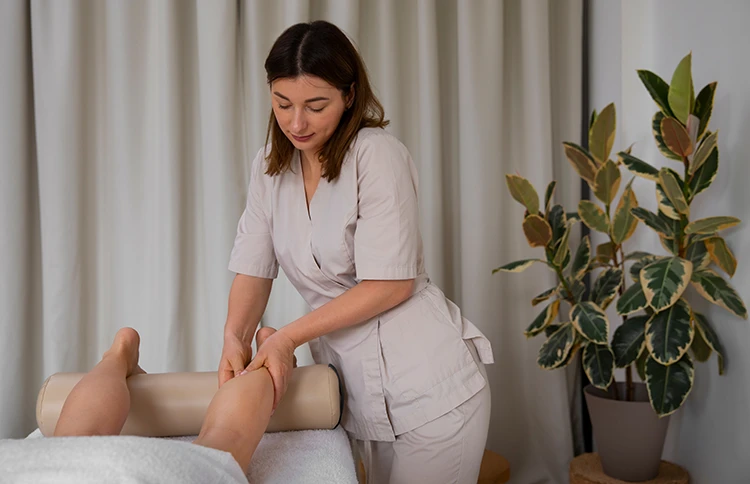
Manual lymphatic drainage, often called MLD, is a specialist massage technique designed to support lymphatic flow and help reduce fluid-related swelling. It is different from a standard massage because it uses gentle, structured movements to encourage drainage.
For some lipedema patients, MLD may help reduce feelings of heaviness, tightness, and discomfort. It may also be used as part of recovery support around lipedema surgery in selected treatment plans.
Exercise and movement
Exercise does not cure lipedema, but gentle and consistent movement can help support circulation, lymphatic flow, mobility, strength, and emotional wellbeing.
Low-impact activities are often more comfortable for lipedema patients, such as:
- Walking
- Swimming or aqua exercise
- Cycling
- Yoga
- Pilates
- Gentle resistance training
The goal should not be punishing exercise or unrealistic fat loss. Movement should feel supportive, manageable, and sustainable.
Healthy eating and weight management
A balanced diet cannot remove lipedema fat, but it may help support general health, reduce additional weight gain, and ease pressure on joints and mobility.
It is important to avoid blame-based language around diet. Many patients with lipedema already follow healthy habits and still struggle with disproportionate fat. Nutrition should be framed as support for wellbeing, energy, inflammation control, and weight stability rather than a “cure”.
Skin care and infection prevention
Skin care is an important part of lipedema management, especially if swelling, folds, or friction cause irritation. Keeping the skin clean, moisturised, and protected can help reduce discomfort and lower the risk of skin breakdown.
Patients should monitor areas that rub, become sore, or feel irritated, particularly around folds, ankles, thighs, or areas under compression garments.
Pain management and emotional support
Lipedema can be physically and emotionally difficult. Pain, heaviness, body changes, and the frustration of being misunderstood can affect confidence and mental wellbeing.
Some patients may benefit from pain management advice from a clinician, physiotherapy support, counselling, or psychological support if the condition affects mood, body image, or daily confidence.
Manual Lymphatic Drainage for Lipedema: What to Know
Manual lymphatic drainage is not the same as a relaxing spa massage. It is a specialist technique that should ideally be carried out by someone trained in lymphatic care.
For lipedema patients, MLD may help:
- Reduce fluid-related swelling
- Ease heaviness in affected limbs
- Improve comfort
- Support lymphatic flow
- Help with post-operative swelling if surgery is part of the treatment plan
It is important to be realistic. MLD does not remove lipedema fat, and results can vary from person to person. Some patients feel noticeable relief, while others may need it as part of a wider management plan alongside compression, movement, and clinical care.
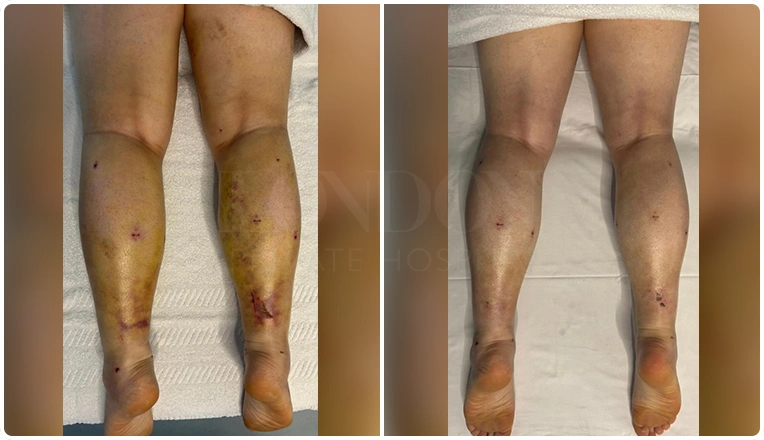
MLD massage after 3 weeks post-liposuction
Compression for Lipedema: Why Fit Matters
Compression can be very helpful, but only when it is suitable and fitted correctly. If garments are too tight, too loose, or the wrong shape, they may feel uncomfortable and become difficult to wear regularly.
A well-fitted compression garment should support the limb without digging in or causing pain. Some patients need different garments at different stages, depending on swelling, body shape, treatment progress, and comfort.
If compression feels unbearable, it is worth speaking to a specialist rather than giving up completely. Sometimes a different style, fabric, size, or compression level can make a big difference.
Exercise for Lipedema: What Works Best?
For many patients, low-impact exercise feels more manageable than high-impact activity. The aim is to support mobility, circulation, strength, and confidence without worsening pain or fatigue.
Swimming and aqua exercise can be especially helpful because water supports the body while allowing movement. Walking, cycling, Pilates, yoga, and gentle resistance exercises may also be useful depending on the patient’s comfort level.
Exercise should not be treated as punishment. A kinder approach is often more sustainable. The best activity is usually the one you can do consistently without triggering significant pain or exhaustion.
What Non-Surgical Treatment Cannot Do
Non-surgical lipedema treatment can be valuable, but it has limits.
It usually cannot:
- Remove abnormal lipedema fat
- Dramatically reduce limb size
- Fully reverse body shape changes
- Stop progression in every patient
- Replace surgery where surgical treatment is clinically appropriate
This does not mean conservative care is pointless. For many patients, non-surgical management can make daily life more comfortable and help reduce symptoms. It may also be an important part of long-term care, even if surgery is later considered.
When Might Lipedema Liposuction Be Considered?
Lipedema liposuction may be considered when symptoms remain significant despite conservative treatment. Patients may explore surgical options if pain, heaviness, mobility restriction, or disproportionate fat continues to affect daily life.
Surgery is not right for everyone, and it should never be rushed. A proper consultation is needed to assess symptoms, stage of lipedema, medical history, skin quality, expectations, and whether liposuction may be suitable.
For some patients, surgery may help reduce the volume of lipedema fat and improve comfort. For others, continued conservative care may be more appropriate.

Non-Surgical Lipedema Treatment vs Liposuction
Non-surgical treatment and liposuction have different goals.
Non-surgical treatment focuses on:
- Symptom management
- Swelling support
- Mobility
- Pain and heaviness reduction
- Long-term comfort
- Skin and lymphatic care
Liposuction, in suitable patients, aims to reduce abnormal lipedema fat and improve body contour, mobility, and symptoms.
Many patients still need ongoing management even after surgery. Compression, movement, MLD, skin care, and weight stability may continue to play a role in long-term results and comfort.
How LPH Supports Patients with Lipedema Concerns
At London Private Hospital, lipedema concerns are approached with care, sensitivity, and realistic guidance. Many patients have spent years feeling dismissed or misunderstood, so the consultation process should feel supportive rather than judgemental.
LPH can help patients understand whether conservative care, lipedema liposuction, or a combined approach may be appropriate. The aim is to provide clear advice based on symptoms, anatomy, goals, and medical suitability.
Patients benefit from consultant-led assessment, personalised recommendations, and access to follow-up care in London.

FAQs About Non-Surgical Lipedema Treatment
Can lipedema be treated without surgery?
Yes, lipedema symptoms can often be managed without surgery using compression, manual lymphatic drainage, movement, skin care, and lifestyle support. However, non-surgical treatment does not usually remove lipedema fat.
What is the best non-surgical treatment for lipedema?
There is no single best treatment for everyone. Many patients benefit from a combination of compression garments, MLD, low-impact exercise, skin care, and clinical guidance.
Can compression garments help lipedema?
Compression may help reduce heaviness, swelling, and discomfort in some patients. Correct fitting is important for comfort and effectiveness.
Does manual lymphatic drainage help lipedema?
Manual lymphatic drainage may help with swelling, heaviness, and fluid-related discomfort. It does not remove lipedema fat, but it can support symptom management.
Can exercise reduce lipedema fat?
Exercise can support health, mobility, circulation, and weight stability, but lipedema fat is often resistant to exercise alone.
Does diet cure lipedema?
No, diet does not cure lipedema. A balanced diet may support overall health and weight stability, but it does not usually remove abnormal lipedema fat.
When should I consider lipedema liposuction?
Liposuction may be considered if symptoms remain significant despite conservative care, or if disproportionate lipedema fat continues to affect comfort, mobility, or quality of life. A specialist consultation is needed.
Can non-surgical care be used after lipedema surgery?
Yes. Compression, MLD, movement, and skin care may still be recommended after surgery as part of long-term management and recovery support.
Final Thoughts
Non-surgical lipedema treatment can be a valuable part of managing symptoms, improving comfort, and supporting everyday mobility. It may help reduce heaviness, swelling, and discomfort, but it is important to understand that it does not usually remove lipedema fat.
The right approach depends on your symptoms, your body, your goals, and how lipedema affects your daily life. If you are unsure what option is best for you, a consultation at London Private Hospital can help you explore conservative care, surgical treatment, or a combined plan with realistic expectations.
 Share
Share Share
Share Share
Share Share
Share Share
Share Share
Share


